
Date
Get in touch
Impact of Packaging Design: Consumer Buying and Brand Perception
Ever wonder what’s going through the mind of packaging buyers when they look at your latest designs? It might feel like you’re crafting stunning works of art, but buyers often have practical considerations that heavily influence consumer purchasing decisions. So, let’s dive into what they secretly wish packaging designers knew.
How Does Packaging Impact Consumer Buying Behavior?
When it comes to the impact of packaging, procurement teams see firsthand how well-designed product packaging drives sales. Research shows that around 70% of buying decisions are made right at the point of sale. That means design doesn’t just need to look good—it has to sell.
Buyers appreciate designers who understand that the role of packaging extends beyond aesthetics. It’s about creating a compelling reason for consumers to choose your brand over others. The right packaging design doesn’t just capture attention; it communicates value instantly.
Importance of Brand Identity in Package Design
A common frustration for buyers is when design elements don’t align with the established brand identity. Consistency across all product packaging helps build stronger brand awareness and maintains trust among customers.
Designers, remember: you’re not just creating attractive visuals. You’re translating a brand’s ethos into tangible experiences that directly shape consumer perception and ultimately drive their buying behavior.
Why Sustainable Packaging Matters
Procurement teams and buyers are increasingly emphasizing sustainable packaging. Consumers today are more eco-conscious, and packaging designs play an important role in communicating a brand’s sustainability commitments.
Using eco-friendly packaging materials isn’t just trendy—it’s expected. It is appreciated when designers proactively suggest sustainable packaging solutions, such as recyclable materials or minimalistic packaging design ideas that reduce waste.
Understanding Consumer Buying Psychology
Designers who grasp color psychology and its impact on consumer choices hold a significant advantage. Color isn’t just decorative; it triggers emotional responses and can significantly sway consumer buying decisions.
For instance, warmer tones can encourage impulsive buys, whereas cooler tones suggest reliability. Knowing how to strategically apply colors can directly enhance a product’s appeal and effectiveness on the store shelf.
Retail Packaging: More than Just Looks
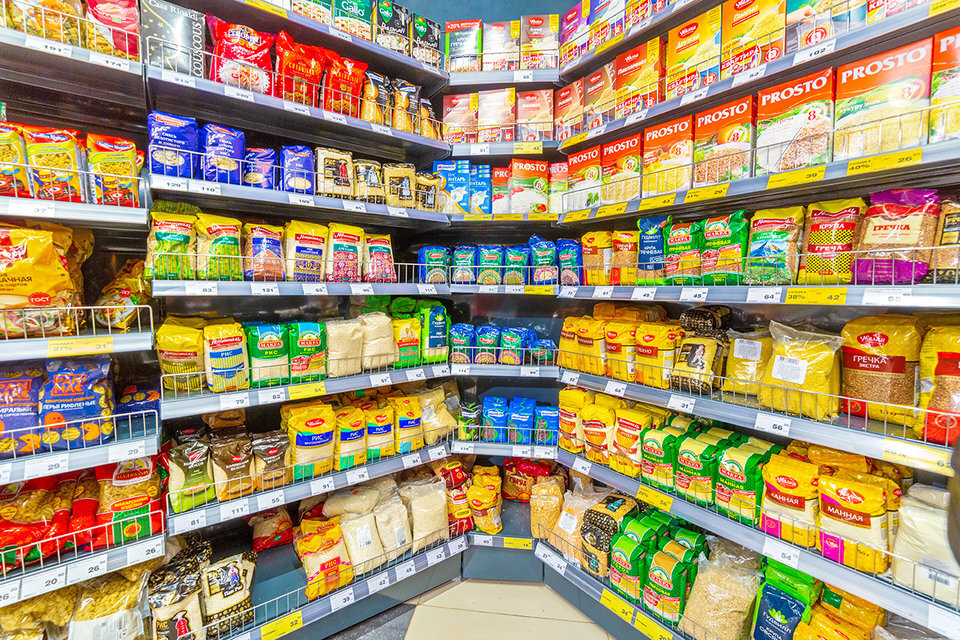
It’s easy to assume that attractive retail packaging alone is enough. However, from a procurement standpoint, functionality is equally critical. Buyers stress the importance of practical considerations such as durability, ease of transportation, and shelf compatibility.
Designers need to balance innovative visuals with real-world practicality. After all, beautiful packaging that falls apart during shipping isn’t going to impress anyone, least of all procurement teams.
Clear Information Makes a Difference
Clear, concise packaging label information can drastically improve the customer experience. Brands want designers to remember that the primary function of product’s packaging and labelling is to provide essential information about the product quickly and easily.
Confusing labels or cluttered product packaging designs can frustrate consumers, impacting their overall consumer engagement and satisfaction. Effective communication through design is a vital factor in repeat purchases.
The Role of Online Research in Packaging Design
In today’s market, designers should factor in how their packaging appears online, not just in-store. Consumers often conduct extensive online research before making purchase decisions.
Graphic design needs to be as visually appealing and informative digitally as it is physically. Buyers appreciate designers who consider multi-channel consistency, ensuring the digital representation matches the in-store experience.
Importance of Feedback and Collaboration
Designers sometimes underestimate the value of consumer feedback provided by procurement teams. Buyers regularly gather data on consumer behavior, insights that are invaluable during the packaging design process.
Collaboration between designers and buyers ensures that the final packaging aligns with real-world expectations and customer preferences. Ignoring this feedback can lead to designs that miss the mark, affecting sales performance.
Custom Packaging vs. Standard Options
While custom packaging solutions can significantly enhance brand identity, buyers want designers to understand budget constraints and production feasibility. Striking a balance between uniqueness and practicality is essential.
Buyers often prefer designers who can creatively leverage standard packaging materials or designs, offering a unique look without breaking budgets or timelines.
What Designers Can Learn from Fast Moving Consumer Goods (FMCG)
The fast moving consumer goods sector excels in leveraging packaging innovation to drive sales. Observing FMCG practices can provide valuable insights into effective packaging and marketing strategies.
Designers who apply these lessons to their projects can create impactful product packaging that resonates with buyers and ultimately enhances the consumer buying journey.
Wrapping Up
There’s no one-size-fits-all approach to great packaging. The best results come when design, operations, and procurement are aligned. Whether it’s a striking food package or a logistics-friendly solution, the impact of packaging is felt at every stage.
At Aropack, we collaborate with both creative and technical teams to turn vision into reality. We support brands with sustainable packaging, flexible pouch formats, and tailored packaging solutions that work on every level. If you’re looking to bridge the gap between great design and practical execution, we’re ready to help you deliver.
Give us a call on 01233 281460 or send us an email at info@aropack.co.uk for a free consultation.